Embedded Systems Jul 12, 2026
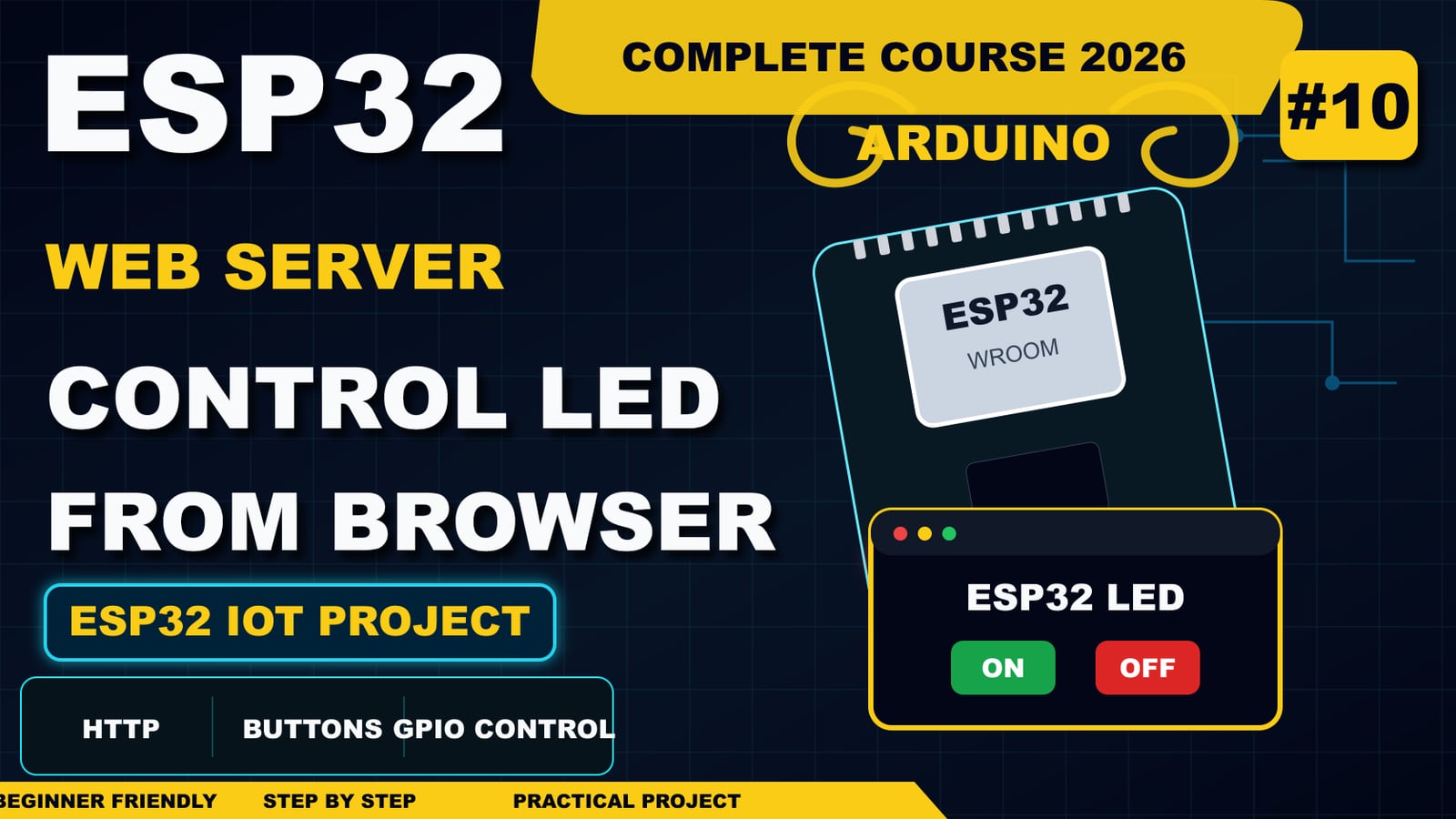
ESP32 Beginner Course #10: Web Server LED Control from a Browser
Build a simple ESP32 web server, serve an HTML control page, and turn an LED on and off from a browser over WiFi.
Exploring Embedded Systems, Edge AI, Robotics, Electronics, and Software Engineering.
Firmware, microcontrollers, RTOS patterns, device drivers, and board-level engineering.
ROS 2, SLAM, localization, motion control, sensors, and autonomous system design.
Model pipelines, perception systems, optimization, and practical edge inference.
Circuit design, sensors, PCB thinking, industrial interfaces, and prototyping.
Architecture, tooling, dashboards, APIs, data visualization, and maintainable systems.
Embedded Linux, developer workflows, deployment, observability, and systems tooling.
CAN, perception, test tooling, diagnostics, and vehicle electronics.
Gateways, connectivity, telemetry, cloud integrations, and field-ready platforms.
Proofs of concept, digital fabrication, physical prototypes, and exploratory engineering.
Build a simple ESP32 web server, serve an HTML control page, and turn an LED on and off from a browser over WiFi.
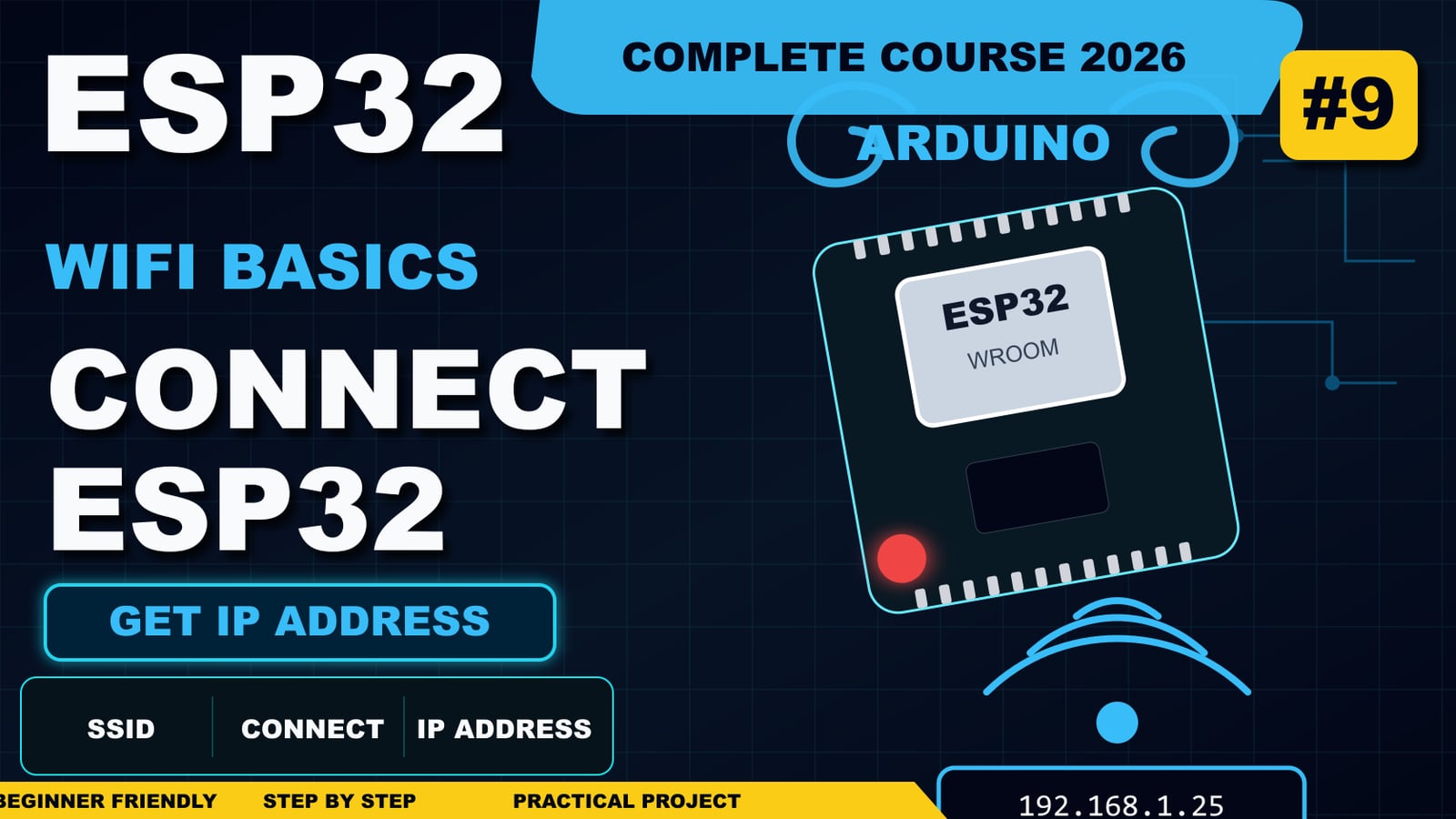
Connect the ESP32 to a WiFi network, understand SSID and password settings, print connection status, use reconnect logic, and find the board IP address.
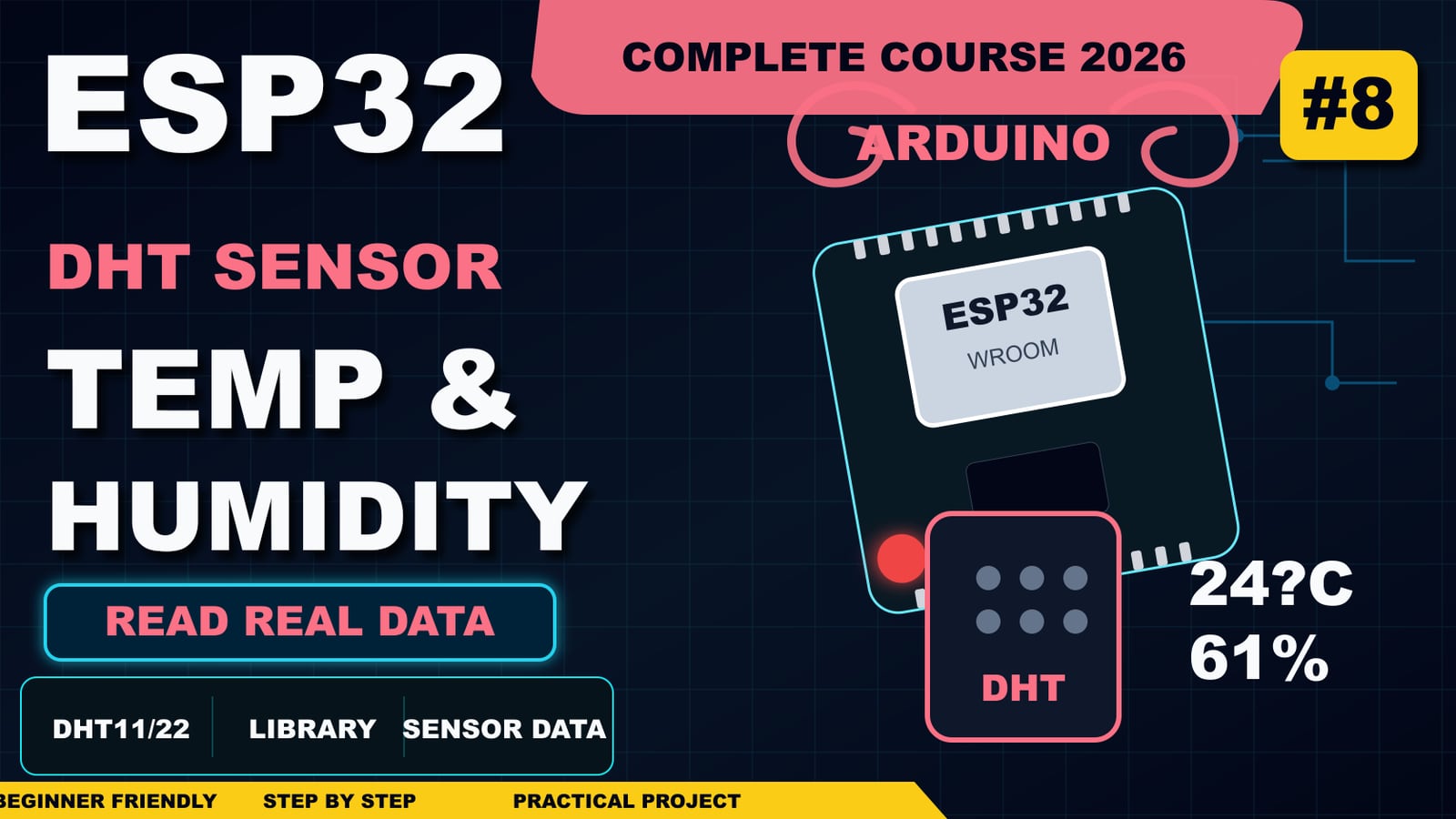
Connect a DHT11 or DHT22 sensor to the ESP32, install the Arduino library, read temperature and humidity, and handle failed readings.
A technical project template for porting SLAM workloads to embedded GPU and FPGA hardware with benchmarks and power-aware tradeoffs.
A field-ready IIoT gateway pattern for sensor networks, Modbus devices, alarms, cloud dashboards, and operational reporting.
A reference architecture for a mobile robot using ROS 2, micro-ROS, ESP32-S3 motor control, LiDAR, and Raspberry Pi coordination.
 Play
Play A map-based fleet monitoring demonstration covering vehicle location, route visibility, geofencing, and operational telemetry.